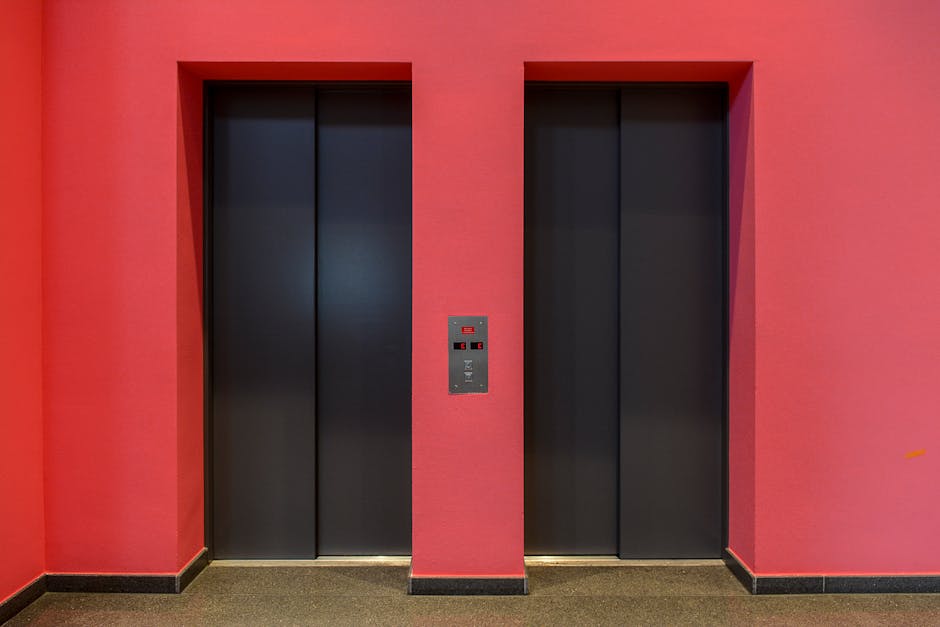
Newington Causeway flat moves: access and lift tips
Flat moves in Newington Causeway can look straightforward on paper: book a van, load the boxes, use the lift, and get on with your day. In practice, the details make the difference. Tight entrances, shared stairwells, service lifts, parking limitations, and awkward furniture can quickly turn a simple relocation into a slow, stressful job.
This guide breaks down the practical side of Newington Causeway flat moves: access and lift tips so you can plan confidently, protect your belongings, and reduce delays on moving day. Whether you are leaving a compact apartment, moving into a higher-floor flat, or coordinating with building management, the aim is the same: make the route in and out as smooth as possible.
You will find a clear step-by-step approach, sensible lift etiquette, common mistakes to avoid, and a realistic checklist you can use before the movers arrive. If you want broader moving advice as well, the guides on packing hacks to save time and space, premove decluttering tactics, and stress-free house moving are useful companions to this article.
Why Newington Causeway flat moves: access and lift tips Matters
In a flat move, access is not a side issue; it is the route your entire move depends on. A lift that is too small for a sofa, a loading bay that is awkward to reach, or a corridor with sharp turns can add time, increase handling risk, and create unnecessary friction with neighbours or building staff.
Newington Causeway is a busy central location, which means you should expect a moving day shaped by traffic, limited stopping space, and shared building rules. That combination makes good planning more than a nice extra. It becomes the thing that keeps your move on schedule.
Flat moves also tend to involve more lifting through tighter spaces than house moves. Even with a lift, items still need to be manoeuvred around doors, thresholds, and corners. One careless turn can scratch a wall, chip a frame, or damage the item itself. That is why movers who specialise in apartment work spend time on access checks before they ever pick up a box.
Key takeaway: if you plan the access route first, almost everything else becomes easier: loading, timing, safety, and even neighbour relations.
For readers dealing with a broader move at the same time, it can help to review premove cleaning guidance and the full services overview so the practical tasks are joined up rather than handled in isolation.
How Newington Causeway flat moves: access and lift tips Works
The process is really about mapping the journey from your flat to the vehicle and back again. Once you understand that journey, you can spot the bottlenecks before they become problems.
1. Start with the building layout
Check where the entrance is, whether the lift is shared, and whether there are long internal corridors or split-level landings. If your building has more than one access point, identify the one that is easiest for bulky items rather than simply the closest.
2. Measure the items that matter
Not everything needs measuring. Focus on the awkward pieces: sofas, wardrobes, beds, mattresses, desks, white goods, mirrors, and anything that cannot be safely tilted without risk. Compare those measurements to lift dimensions, doorway widths, and stair turns.
This is where a little realism helps. A lift may technically exist, but if the cab is narrow, the doors are low, or the angle into the corridor is tight, a large item may still need a careful stair carry or partial dismantling.
3. Confirm building rules early
Some buildings require booked lift slots, protective padding, or advance notice for movers. Others want you to use a service entrance, keep common areas clear, or avoid peak hours. The earlier you confirm those details, the fewer surprises you face on the day.
4. Plan the load order around access
Put the items that are hardest to move at the front of the plan. If the lift is small, bring down the bulkiest item first while everyone is still fresh. If the entrance is busy, have boxes staged by room so the team can keep the route clear and avoid clashing traffic in the hallway.
5. Protect the route as well as the furniture
Access tips are not only about getting things through. They are also about avoiding damage on the way. Door protectors, floor coverings, corner guards, and furniture blankets all help reduce scratches and scuffs in shared areas, which is especially important in managed apartment blocks.
If you are moving specialist items, the advice gets stricter. For example, the guidance on why DIY piano moving often fails explains why weight, balance, and access constraints should never be underestimated. Similar logic applies to mattresses and larger bed frames; see also how to move a bed and mattress efficiently.
Key Benefits and Practical Advantages
Good access planning delivers more than convenience. It affects the whole quality of the move.
- Less time wasted: fewer trips, fewer hold-ups, and less waiting around for the lift to become free.
- Lower damage risk: better route control means less bumping, dragging, and awkward twisting.
- Safer handling: movers can lift with better posture and better spacing, which matters a lot with heavy or bulky items.
- Better coordination: everyone knows where they are going, which reduces confusion in shared spaces.
- Less stress: once the access plan is sorted, the move feels more manageable and predictable.
There is another benefit that is easy to overlook: better relations with building staff and neighbours. A tidy, well-run move is far less likely to cause complaints. If you are interested in the wider etiquette and logistics of moving day, this stress-free moving guide is a helpful read.
For people moving a lot of smaller items, the benefit is cumulative. Even if each box is easy enough on its own, repeated trips through a narrow lift or corridor can consume time and patience fast. A sharper plan removes that drag.
Who This Is For and When It Makes Sense
This approach is especially useful if any of the following sound familiar:
- You live in a flat with a shared lift or limited stair access.
- Your building has strict move-in or move-out rules.
- You own bulky furniture that may not fit through the lift.
- You are moving during a busy time of day or from a high-traffic road.
- You want to reduce the chance of damage in communal areas.
- You are moving without much spare time and need the day to stay on track.
It is also a strong fit for student moves, first flats, and smaller homes where space is tight but the number of boxes is surprisingly high. The pattern is common: the move looks small, then you realise the lift is doing most of the heavy lifting for your entire day.
If you are in that category, you may also find student removals support and flat removals services especially relevant.
Step-by-Step Guidance
Here is a practical method that works well for most apartment moves.
- Do a route walk-through. Check the path from flat to street: doors, lift, corridors, stairwells, parking, and any turns that look tight.
- Measure the awkward items. Record the dimensions of your largest furniture and compare them to access points.
- Confirm building permissions. Ask about lift booking, moving hours, visitor parking, and protection requirements.
- Prepare the lift. If allowed, line it with protective covers and make sure the doors can stay open safely for loading.
- Stage items by priority. Keep the bulkiest, heaviest, and most fragile pieces separate from the general box stack.
- Clear the hallway. Remove loose rugs, shoes, bins, and anything likely to trip someone or block a turn.
- Use the right handling method. Carry large items with a team if needed, and use straps or dollies where suitable.
- Keep one person on traffic control. Someone should watch the route, direct lift use, and stop bottlenecks before they happen.
- Check the item before and after transport. A quick inspection helps identify damage while everyone still remembers what happened.
That last step matters more than people think. Small knocks are easy to miss in the rush of moving day, and by the time you unpack, it is harder to tell when they happened.
A practical example
Imagine a two-bedroom flat with a lift that fits boxes comfortably but not a long sofa. The sofa should be disassembled or tilted only if safe, then moved before the main rush starts. Boxes can follow in grouped runs, with fragile items kept separate. The result is a quicker, calmer process than trying to push everything through at once.
If you need help with tricky lifting technique, the article on kinetic lifting mechanics is a sensible companion. For very heavy or awkward items, solo heavy object lifting guidance offers useful background, though for many items a two-person lift is still the smarter choice.
Expert Tips for Better Results
These are the small adjustments that often make the biggest difference.
Book the access window, not just the van
If you can, schedule the move around the building's quietest period. Early morning can be useful because lifts and hallways are usually less congested. But if the building has school-run traffic, deliveries, or concierge restrictions, another window may be easier.
Protect shared surfaces first
Many people focus on wrapping the furniture and forget the walls, floors, and lift panels. In apartment moves, the building itself is often the most expensive thing you are handling. Simple protection can prevent expensive awkwardness.
Keep hardware in labelled bags
If a bed, wardrobe, or table needs partial dismantling, keep bolts and fittings in clearly labelled bags. Tape them to the matching item or keep them in a single, named box. No one wants to spend the evening hunting for six mystery screws.
Use lighter boxes on the lift runs
Even when a lift is available, stacking it too heavily can lead to crushed boxes and awkward unloading. A mix of medium-weight boxes is easier to manage than a few overpacked monsters.
Think in terms of flow
A good move has rhythm. Items leave the flat in a steady sequence, land in the vehicle in the right order, and arrive at the new property ready to unload. Breaking that flow with random boxes and last-minute decisions is where delays begin.
For packing structure, the guide to packing hacks that save time and space can help you keep that rhythm. If you are downsizing or simply want fewer items to move, decluttering before the move is one of the easiest wins available.
Common Mistakes to Avoid
Most access problems are preventable. The same few mistakes keep cropping up.
- Assuming the lift will be available: shared use, maintenance, or bookings can disrupt timing.
- Not checking dimensions: a lift may be usable for some items and useless for others.
- Leaving access questions until moving day: this is how moves become slower and more expensive.
- Overpacking boxes: heavy boxes are harder to carry and more likely to split.
- Ignoring the route outside: a perfect internal plan means little if parking is impossible.
- Forgetting fragile communal areas: hall corners, glass doors, and polished floors need protection too.
- Trying to force awkward items through: if the item does not fit, stop and reassess rather than "making it work."
It sounds obvious, but one of the most common errors is optimism disguised as planning. "It should fit" is not a measurement. Neither is "we'll manage."
When in doubt, use a professional service that understands the limits of apartment access. A helpful starting point is the wider removal services overview, especially if you need a mix of packing, lifting, and transport support.
Tools, Resources and Recommendations
You do not need specialist kit for every flat move, but a few items are consistently useful.
- Furniture blankets: reduce knocks, scratches, and scuffs.
- Moving straps: help control weight and keep balance on stairs or through lifts.
- Heavy-duty tape and labels: keep boxes organised and easier to unload in the right rooms.
- Floor protection: useful in entrances, corridors, and lift areas.
- Door protectors and corner guards: particularly handy in narrow internal routes.
- Solid box selection: a mix of small, medium, and wardrobe boxes usually works best.
- Trolley or sack truck: helpful for stacked boxes where the route is level and safe.
For readers still planning the move itself, the service pages for man with a van support, man and van transport, and removal van hire may help you match the service to the size of your flat move.
If storage is part of the picture, perhaps because the lift access is limited or move dates do not line up neatly, storage options can bridge the gap between properties.
Law, Compliance, Standards, or Best Practice
There is no single rulebook for every private flat move, but there are clear best-practice expectations that help keep things safe and orderly. In managed buildings, you should follow the building's own move policy, which may cover lift booking, noise, loading times, and protection for communal areas.
From a practical standpoint, movers should handle items in a way that reduces risk to people and property. That means sensible lifting technique, suitable equipment, and enough staffing for heavy or awkward objects. It also means not blocking shared escape routes or creating hazards in corridors and entrances.
If you are arranging the move yourself, the safest approach is to treat access planning as part of risk management, not just logistics. That includes checking:
- whether the lift is suitable for the item size and weight
- whether a second person is needed for large or unstable items
- whether the route is free from trip hazards
- whether protective materials are needed for walls and floors
- whether the vehicle can park legally and safely close enough to the building
For trust and operational transparency, it also helps to review a company's health and safety policy, insurance and safety information, and accessibility statement before booking. If you want to understand the provider itself, the about us page is another sensible place to start.
Options, Methods, or Comparison Table
Different access situations call for different methods. Here is a straightforward comparison.
| Method | Best for | Pros | Limits |
|---|---|---|---|
| Lift-only move | Most medium box runs and smaller furniture | Fast, less stair effort, usually easier on staff | Can fail if the lift is too small or busy |
| Stair carry | Items that do not fit the lift | Reliable when access is tight, no waiting for lift use | Slower, physically demanding, higher handling risk |
| Partial dismantling | Sofas, beds, wardrobes, desks | Often solves space issues without forcing items | Takes preparation and careful reassembly |
| Staged move with storage | Moves with timing gaps or complicated access | Reduces pressure on moving day, gives flexibility | Extra planning and possible storage cost |
For many Newington Causeway flat moves, the best outcome is a hybrid approach: use the lift for what fits well, take stairs for selected items, and dismantle only where it truly helps. That balance is usually calmer than trying to force one method onto every item.
Case Study or Real-World Example
Consider a one-bedroom flat move where the tenant has a bed frame, mattress, small sofa, dining table, eight boxes, and a fridge-freezer. The lift is available, but the sofa is too long to fit cleanly and the fridge-freezer is awkward because of its weight and height.
In a rushed version of this move, the sofa is repeatedly tested against the lift opening, the hallway becomes blocked, and the fridge-freezer is left until the end when everyone is already tired. That is exactly how delays and minor damage build up.
In a better version, the move is planned like this:
- The building manager is told in advance about the move.
- The lift is booked for a specific time slot.
- The sofa is measured and, if needed, partially dismantled ahead of time.
- The fridge-freezer is moved first while the route is clear and the team is fresh.
- Boxes are grouped by room and labelled for quick unloading.
- The mattress is wrapped and moved on a clean, direct route.
That kind of move feels smoother not because the building changed, but because the sequence changed. The difference is planning, not luck.
If you are moving similar items, the articles on storing a freezer safely and moving your bed and mattress are useful complements.
Practical Checklist
Use this simple checklist before moving day:
- Confirm lift access, booking rules, and operating times.
- Measure all bulky furniture and note doorway widths.
- Check where the van can legally stop or park.
- Tell neighbours or building staff if advance notice is expected.
- Protect floors, corners, and lift panels where needed.
- Label boxes by room and priority.
- Separate fragile items from general loading.
- Disassemble large items that will not travel cleanly.
- Keep tools, screws, and fittings in labelled bags.
- Clear hallways, entries, and any trip hazards.
- Decide in advance which items go by lift and which may need stairs.
- Arrange storage if move-in and move-out timings do not line up.
- Review safety, insurance, and service details before booking support.
That checklist is deliberately plain. Flat moves are easier when the plan is practical rather than clever.
Conclusion
Newington Causeway flat moves run best when access is treated as part of the move, not as an afterthought. If you understand the building layout, plan lift use properly, measure the awkward items, and protect the route, you reduce stress and make the day more predictable.
The most effective moves are usually the ones that look slightly boring from the outside: clear route, organised boxes, sensible load order, and no last-minute improvisation. That is a good thing. Boring is often what smooth looks like.
For a safer, calmer flat move, combine access planning with the right packing strategy, a realistic lifting plan, and a service that understands apartment logistics. If you want to compare options or need help planning the details, the next step is simple.
Get a free quote today and see how much you can save.
Frequently Asked Questions
How do I know if my furniture will fit in the lift?
Measure the height, width, and depth of the item, then compare those figures with the lift door opening and internal cab space. Remember to account for angles, handles, and the room needed to turn the item inside the lift.
What should I do if the lift is too small for my sofa?
Check whether the sofa can be safely dismantled or moved in sections. If not, a stair carry may be the better option, but only if the route is safe and the item can be handled without forcing it.
Do I need to book the lift in advance for a flat move?
In many managed buildings, yes. Booking the lift helps avoid clashes with other residents and can prevent delays. Always confirm the building's own move policy before moving day.
What if parking near Newington Causeway is limited?
Plan vehicle access early and consider the time of day. If stopping space is tight, a mover with local knowledge can help you choose a better loading window and reduce long carry distances.
Are stair carries safer than using a lift?
Not automatically. Stair carries can be practical for items that do not fit in the lift, but they are more physically demanding and often require more care. The safest option depends on the item, the route, and the number of people available.
How can I protect communal areas during a flat move?
Use floor coverings, door protection, and corner guards where appropriate. Keep the route clear, avoid blocking entrances, and move methodically so items are not dragged along walls or floors.
Should I dismantle furniture before moving day?
If a piece is bulky or awkward, yes, dismantling in advance can save time and reduce risk. Keep all screws and fittings labelled so reassembly is easier at the new property.
What kind of boxes work best for flat moves?
Small and medium boxes are usually easier to carry through lifts and corridors than oversized boxes. Use stronger boxes for books and heavier items, and avoid overpacking them.
Is it worth using storage if my move-in and move-out dates do not match?
Usually, yes. Temporary storage can reduce pressure if access times are tight or if the lift, van, and keys are not aligned neatly on the same day.
What are the biggest mistakes people make with lift moves?
The biggest mistakes are assuming the lift will be free, not measuring bulky items, overpacking boxes, and leaving access questions until the day itself. Those four issues cause most avoidable delays.
Can movers help with access planning as well as lifting?
Yes, a good removal team should be able to help assess the route, suggest loading order, and identify items that may need dismantling or special handling. That kind of input is especially useful for apartment moves.
Where can I find more help with flat moving, packing, and safety?
It helps to review service pages and practical guides together. Useful starting points include flat removals support, packing and boxes help, and the company's health and safety policy.