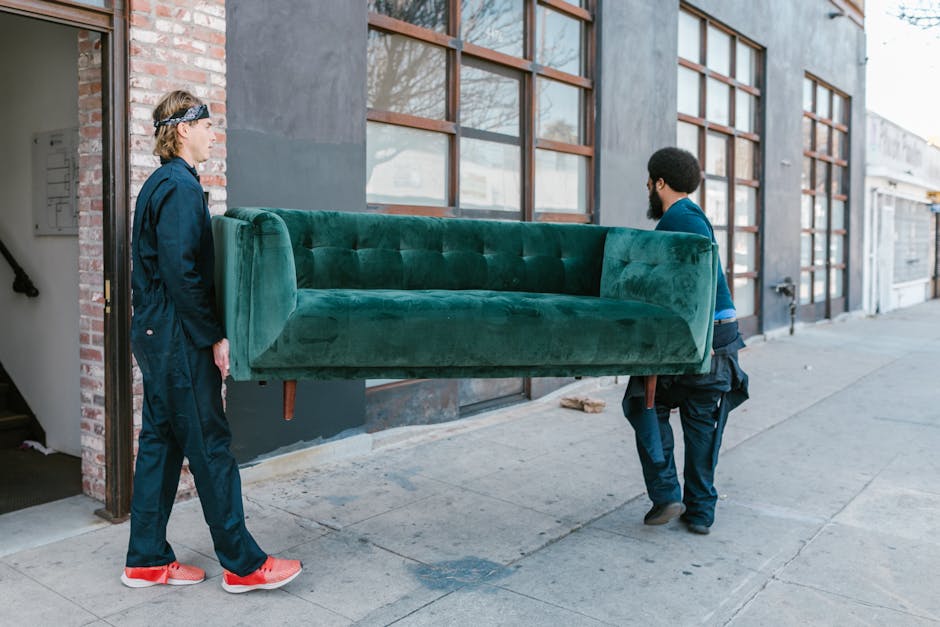
Furniture disposal laws in Southwark: what movers must know
If you are moving home or clearing a property in Southwark, furniture disposal can feel like one of those awkward jobs that suddenly gets bigger than you expected. A sofa that will not fit through the hallway. A wardrobe with a broken hinge. A mattress that has seen better days. And then the big question: what can you legally do with it, where can it go, and who is responsible if something ends up dumped on the pavement? This guide on Furniture disposal laws in Southwark: what movers must know breaks it down in plain English, so you can stay compliant, avoid delays, and handle the move without the usual last-minute stress.
We will cover the practical side too: council expectations, duty of care, how to prepare items for collection, common mistakes movers make, and when it makes sense to use a professional service like furniture pick up or broader removal services. Truth be told, a little planning here saves a lot of faff later.
Table of Contents
- Why Furniture disposal laws in Southwark: what movers must know Matters
- How Furniture disposal laws in Southwark: what movers must know Works
- Key Benefits and Practical Advantages
- Who This Is For and When It Makes Sense
- Step-by-Step Guidance
- Expert Tips for Better Results
- Common Mistakes to Avoid
- Tools, Resources and Recommendations
- Law, Compliance, Standards, or Best Practice
- Options, Methods, or Comparison Table
- Case Study or Real-World Example
- Practical Checklist
- Conclusion
- Frequently Asked Questions
Why Furniture disposal laws in Southwark: what movers must know Matters
Furniture disposal is not just a tidying task. In Southwark, as across London, it sits right at the intersection of waste handling, public space rules, and general legal responsibility. If furniture is left on the street without permission or passed to someone who cannot dispose of it properly, the original owner can still end up carrying the headache. That is the bit people often miss.
For movers, the issue matters even more because removals happen under time pressure. Boxes are stacked. The van is waiting. Someone is asking where the lamp goes. In that rush, furniture can be abandoned in a corridor, left beside a bin store, or loaded by the wrong operator. That is how small mistakes turn into complaints, missed collections, or worse, enforcement issues.
Southwark households and landlords also need to think about shared access. A flat on a narrow street, a block with limited lift space, or a property with no parking outside changes the disposal plan completely. You cannot simply place bulky items wherever it is convenient and assume it is fine. You need a proper route, and you need to be clear who is responsible for it.
Key point: if furniture is being removed as part of a move, it should be treated as waste only once a lawful disposal route has been chosen. Until then, it is still your responsibility to manage it properly.
How Furniture disposal laws in Southwark: what movers must know Works
The exact process will vary depending on the item, who owns it, and whether it is being reused, donated, collected, or recycled. But the underlying idea is fairly simple: furniture should go to an authorised, suitable destination, and it should never be fly-tipped or left in a way that creates a nuisance.
In practical terms, movers usually encounter five broad options:
- Re-use: the item is still suitable for another home or business.
- Donation: the item is in good enough condition for a charity or reuse organisation to accept.
- Bulky waste collection: a council or approved service collects the item for disposal or processing.
- Private removal service: a professional team removes the item as part of a move or clearance.
- Recycling or specialist disposal: the item is broken down or handled separately because of materials, contamination, or condition.
The important thing is not just what you choose, but how you document and handle it. If a mover is hired to remove furniture, there should be a clear understanding in the booking notes, job sheet, or written terms about what is being taken, whether it is going for reuse or disposal, and what happens if an item cannot be collected safely. That level of clarity sounds boring, yes, but it prevents the kind of dispute that ruins an otherwise smooth move.
If the furniture is tied to a home move, services such as home moves, house removals, or a flexible man and van arrangement can help coordinate the move and the disposal in one go. For offices, the equivalent concern sits inside office removals and commercial moves, where desks, cabinets, and filing units often need sorting before the final handover.
Key Benefits and Practical Advantages
Understanding the rules is not just about avoiding trouble. It actually makes the move easier. A good disposal plan creates breathing room, and in London that can be worth more than it sounds on paper.
- Less last-minute chaos: you know which items stay, go, or need specialist handling.
- Lower risk of illegal dumping: no leaving things beside the building and hoping for the best.
- Cleaner handover: landlords, agents, or buyers are less likely to query leftover items.
- Better use of van space: moving teams can load efficiently when unwanted furniture is already identified.
- Improved recycling outcomes: reusable or recyclable items are less likely to be sent the wrong way.
- Fewer disputes: everyone knows what is being moved and what is being disposed of.
There is also a quieter benefit: peace of mind. Moving is noisy enough without that nagging thought that a pile of chairs has been left in the wrong place. You will notice how much easier the day feels when disposal has been decided in advance. It's one less thing bouncing around in your head.
Who This Is For and When It Makes Sense
This topic matters to more people than you might expect. It is not just for landlords or large move managers. If you are clearing out a spare room, downsizing, relocating an office, or helping a relative move from a long-term home, the same basic issues come up.
It makes particular sense to pay attention if you are:
- moving out of a Southwark flat with limited storage space
- decluttering before a sale or tenancy check-out
- replacing furniture and need the old pieces removed
- managing student accommodation or shared housing turnover
- handling office clearances with desks, task chairs, and cabinets
- dealing with damaged items that cannot simply be resold or donated
For some customers, a straightforward removal team is enough. For others, the job is more about a planned collection route and responsible disposal. If you need flexibility, man with van removal and movers services can be a practical fit. If the job involves lots of packing, a bit of packing and unpacking services support can also help you sort what is going and what is staying without everything ending up in one panic pile by the door.
Step-by-Step Guidance
Here is the cleanest way to approach furniture disposal in Southwark when you are moving. Not glamorous, but it works.
- Identify every item early. Walk through each room and list anything that may be disposed of, donated, or moved elsewhere.
- Check condition honestly. If an item is broken, heavily stained, infested, or unsafe to move, treat it differently from reusable furniture.
- Separate keep, move, reuse, and dispose piles. Even a small label on masking tape helps more than people think.
- Confirm the disposal route. Decide whether it is going to charity, collection, recycling, or an approved removal service.
- Take photos if needed. This is especially useful for larger jobs, landlord disputes, or office clearances.
- Make access easy. Clear hallways, protect floors if needed, and make sure bulky items can actually get out of the property safely.
- Book the right vehicle and labour. A standard car boot job is not the same as a full flat clearance, obviously.
- Confirm what happens on the day. Ask whether the item will be reused, recycled, or taken for waste processing.
- Keep records. Save the quote, booking details, and any note that confirms what was collected.
A simple example: a wardrobe can be dismantled and reused, but only if the fixings are intact and the panels are not swollen from damp. If not, it may need disposal rather than resale. That kind of judgement saves time and avoids sending a broken item halfway across town for no reason.
Expert Tips for Better Results
The job gets much easier when you think like a mover rather than a last-minute sorter. A few practical habits make a real difference.
- Do the disposal review before the packing starts. Once bags and boxes are everywhere, decisions become fuzzy.
- Measure large items against doorways and stair turns. If it cannot be removed safely, it may need dismantling.
- Keep screws, bolts, and fittings in a labelled bag. If the furniture is being reused, those tiny bits matter more than they look.
- Separate wood, metal, and soft furnishings where possible. Sorting upfront can improve recycling outcomes.
- Be careful with upholstered items. They often need more thoughtful handling because of condition, cleanliness, and material type.
- Use one person as the decision point. Too many voices at the door can slow the whole job down. We have all seen that film.
If the move is time-sensitive, coordinate disposal alongside your main transport. Services such as removals, removal company, or moving van support can help keep the day organised. And if you need a clearer idea of cost before booking, pricing and quotes is the sensible place to start.
Small tip, but useful: if you are disposing of multiple pieces, group them by room. It sounds almost too simple, yet it prevents a surprising amount of confusion when the van arrives and everyone is trying to remember which chair came from where.
Common Mistakes to Avoid
Most problems are not caused by one huge mistake. They come from a handful of small oversights that stack up. The good news? They are easy enough to avoid once you know the pattern.
- Leaving furniture outside "for collection" without confirmation. That can create a fly-tipping risk if the item is not taken promptly.
- Assuming a mover will take anything. Good teams will usually have limits for safety, contamination, or legal reasons.
- Not checking access restrictions. Narrow staircases, parking limits, and lift bookings can all affect what can be removed.
- Mixing reusable items with damaged waste. Once everything is bundled together, reuse options shrink quickly.
- Forgetting landlord or building rules. Some properties have clear instructions on waste stores and collection times.
- Using an unverified disposal route. If you hand furniture to someone who later dumps it, the original trail can come back to you.
One more thing. People often wait until moving day to sort out disposal. That is usually where the mess starts. By then, everyone is tired, the kettle is missing, and the sofa seems heavier than it did yesterday morning. Not ideal.
Tools, Resources and Recommendations
You do not need a full project-management setup to handle furniture disposal well. A few simple tools and habits are enough.
- Room-by-room checklist: useful for identifying what stays and what goes.
- Masking tape or labels: mark items as keep, recycle, donate, or dispose.
- Measuring tape: check whether items can leave the property in one piece.
- Basic screwdriver or Allen key set: ideal for taking apart beds, tables, and modular units.
- Phone camera: handy for evidence, item condition, and load planning.
- Bin liners, gloves, and wipes: not glamorous, but practical when sorting dusty or long-stored pieces.
For environmentally minded customers, the recycling and sustainability page is a sensible read because it reflects the kind of careful disposal approach many movers now prefer. If you are comparing service options, the broader removal companies and man with van choices can help you match the service to the job size. For larger or business moves, office relocation services may be more appropriate than a basic collection.
Law, Compliance, Standards, or Best Practice
Furniture disposal in Southwark sits within UK waste law and local enforcement expectations. Without getting lost in legal jargon, the core principle is simple: waste must be handled responsibly, transferred lawfully, and not dumped in public or private places without permission.
For movers, the most important compliance ideas are:
- Duty of care: you should know where the waste is going and who is handling it.
- Lawful disposal: furniture should be passed only to people or services that can legitimately collect and process it.
- No fly-tipping: leaving items in the wrong place, or paying the wrong person to remove them, can cause serious problems.
- Safe handling: bulky items must be moved without creating a risk to workers, neighbours, or the public.
Best practice also means being honest about condition. If an item is contaminated, unsafe, or structurally unstable, it should not be treated as a normal reusable piece. That sounds obvious, but people try it all the time. A slightly grim sofa is one thing; a mouldy one is another entirely.
For this reason, responsible operators usually build disposal into their working methods and terms. You can review practical policies and expectations through pages such as health and safety policy, insurance and safety, and terms and conditions. Those pages help set expectations around what can be moved, how it is handled, and what happens if an item cannot be accepted as planned.
If you are arranging a commercial clearance, the standards matter even more because handover times are tighter and the number of items is usually larger. In that setting, commercial moves and office removals are often the better starting points than ad hoc disposal planning.
Options, Methods, or Comparison Table
There is no single best disposal method for every move. The right choice depends on condition, urgency, cost, and how much work you want to do yourself. Here is a simple comparison to help you decide.
| Method | Best for | Pros | Watch out for |
|---|---|---|---|
| Reuse or resale | Furniture in good condition | Best environmental outcome, may recover value | Requires time, cleaning, and honest condition checks |
| Donation | Usable items with decent presentation | Helpful, simple, and often low-cost | Not all items are accepted; collection rules vary |
| Bulky waste collection | Single items or small volumes | Convenient for households | May need booking and clear placement instructions |
| Private disposal with a mover | Moves with several items or awkward access | Efficient, flexible, less lifting for you | Check what is included and what is not |
| Specialist clearance | Bulk, damaged, or complex clearances | Good for larger jobs, clearer accountability | Needs good planning and accurate item lists |
For many Southwark movers, the sweet spot is a hybrid approach. Keep the reusable items. Dispose of the damaged ones through a clear service. Then get the rest of the move handled by a team that knows how to balance loading, safety, and access. A straightforward man with van removal setup can work well for this sort of job, especially when space and timing are both tight.
Case Study or Real-World Example
Here is a realistic Southwark-style scenario. A couple is moving out of a two-bedroom flat near a busy high street. They have a bed frame, a sofa, a dining table, and a bookcase. The sofa is fine, the bookcase is chipped but usable, the bed frame is dismantled already, and the table has a crack that makes it unsuitable for resale.
Instead of leaving the decision until the final morning, they separate the items three days in advance. The sofa and bookcase are photographed and offered for reuse. The cracked table is marked for disposal. The bed frame is dismantled and bundled with fittings in a labelled bag. They book a team that can handle both transport and disposal, and they confirm access details for the building lift and the loading bay.
What happens next is fairly uneventful, which is exactly what you want. No last-minute guesswork. No awkward argument about who was meant to take the table. No anonymous chair on the pavement after dark. Just a calmer move and a cleaner handover.
That is the real value here. Good disposal planning does not feel exciting at the time, but it quietly keeps the whole day on track. And on moving day, quiet is a lovely thing.
Practical Checklist
Use this before the movers arrive or before you book disposal.
- Have I listed every piece of furniture I want to keep, move, donate, or dispose of?
- Is each item in a condition that matches the intended route?
- Have I checked access, parking, and lift restrictions?
- Do I know who is responsible for the item until it is collected?
- Have I chosen a lawful and suitable disposal method?
- Have I asked what items the service can and cannot take?
- Are screws, fittings, and dismantled parts labelled and kept together?
- Have I taken photos of valuable or disputed items?
- Do I have the booking confirmation and any written terms saved?
- Is the property ready so items can be removed safely and quickly?
If you can tick most of those off, you are already ahead of the game.
Get a free quote today and see how much you can save.
Conclusion
Furniture disposal laws in Southwark are easiest to manage when you treat them as part of the moving plan rather than an afterthought. Decide early what stays and what goes, use a lawful route, and make sure the items are handled by a service that understands both safety and responsibility. That approach protects you, keeps the move moving, and reduces the chance of a messy surprise later.
If you are moving a full home, clearing a flat, or dealing with awkward bulky pieces, a well-planned removal service can take a lot of pressure off the day. It is not about being fussy. It is about keeping things tidy, legal, and under control. And honestly, that is enough.
Take it step by step, keep the paperwork simple, and give yourself a little breathing space. Moves are stressful enough without furniture disposal turning into a drama.
Frequently Asked Questions
Can I leave old furniture on the street in Southwark for collection?
Not unless you have arranged a lawful collection and know the item will be taken promptly. Leaving furniture out without a proper arrangement can create a fly-tipping problem, which is the last thing anyone wants.
What happens if I give furniture to someone who later dumps it?
You may still be asked questions about where the item came from and who handled it. That is why it is wise to use a reputable service and keep booking details or written confirmation.
Is it better to donate furniture or throw it away?
If the item is in good, clean, usable condition, donation or reuse is usually the better option. If it is damaged, unstable, or unhygienic, disposal may be more appropriate.
Do movers usually take furniture away as part of a house move?
Some do, some do not. It depends on the service, the size of the job, and what you have agreed in advance. Always check before moving day.
What furniture items are hardest to dispose of?
Large wardrobes, sofas, mattresses, and heavy office furniture are often the trickiest because they are bulky, awkward to manoeuvre, or require special handling.
Do I need to dismantle furniture before disposal?
Not always, but dismantling can make removal safer and easier. Beds, tables, and modular units often move better in parts, especially in older Southwark properties with tight stairways.
How do I know whether a furniture item can be reused?
Look at structure, cleanliness, stability, and general condition. If it wobbles, smells damp, has major damage, or is unsafe, reuse may not be realistic.
Can office furniture be handled differently from home furniture?
Yes. Office furniture often involves larger volumes, tighter schedules, and more sensitivity around access or building handovers. That is why office removals and office relocation services can be more suitable than a standard household clear-out.
What is the safest way to plan furniture disposal before moving day?
Create a list room by room, separate reusable items from waste, measure bulky pieces, and book the right removal or disposal support ahead of time. Small preparation, big difference.
How can I reduce the cost of furniture disposal during a move?
Sort items early, keep reusable furniture separate, dismantle where sensible, and avoid booking more labour or vehicle space than you need. Getting a clear quote in advance also helps.
What should I ask a mover before they take unwanted furniture?
Ask what they can remove, how they handle disposal, whether they support reuse or recycling, and what is included in the price. A clear answer now saves confusion later.
Where do removals and furniture disposal overlap most?
They overlap when a move includes bulky items you no longer want, or when access is tight and items need to be dismantled, loaded, and removed in the same visit. In those cases, a combined plan is often the neatest solution.
That is the practical truth of it: the more clearly you plan the disposal, the calmer the move tends to feel. And in Southwark, calm is worth a lot.