Elephant and Castle Removals: Best Routes and Parking
Moving in Elephant and Castle can feel straightforward on paper, then suddenly you're dealing with one-way streets, busy junctions, tight forecourts, loading limits, and the small but very real problem of nowhere sensible to stop. If you are planning Elephant and Castle removals: best routes and parking, the difference between a calm move and a stressful one often comes down to preparation. Not glamorous, but true.
This guide breaks down the best approach to getting in and out of the area, choosing practical access routes, and planning parking so your move stays efficient. It also covers common mistakes, useful checks before move day, and the kind of details that help whether you're moving a flat, a family home, student accommodation, or a compact office space. If you want the day to run with less faff and fewer surprise delays, you're in the right place.
Table of Contents
- Why Elephant and Castle removals: best routes and parking Matters
- How Elephant and Castle removals: best routes and parking Works
- Key Benefits and Practical Advantages
- Who This Is For and When It Makes Sense
- Step-by-Step Guidance
- Expert Tips for Better Results
- Common Mistakes to Avoid
- Tools, Resources and Recommendations
- Law, Compliance, Standards, or Best Practice
- Options, Methods, or Comparison Table
- Case Study or Real-World Example
- Practical Checklist
- Conclusion
- Frequently Asked Questions
Why Elephant and Castle removals: best routes and parking Matters
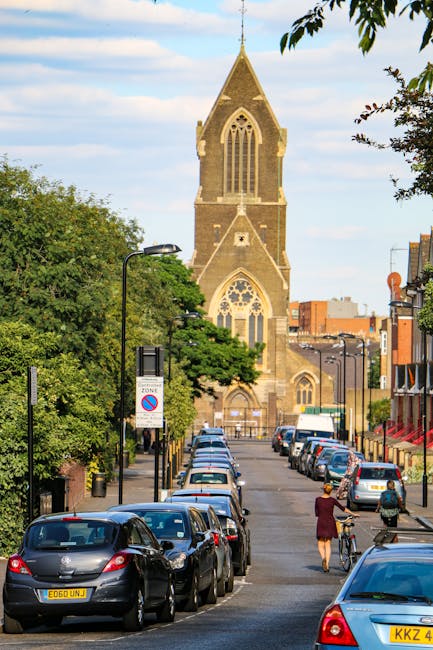
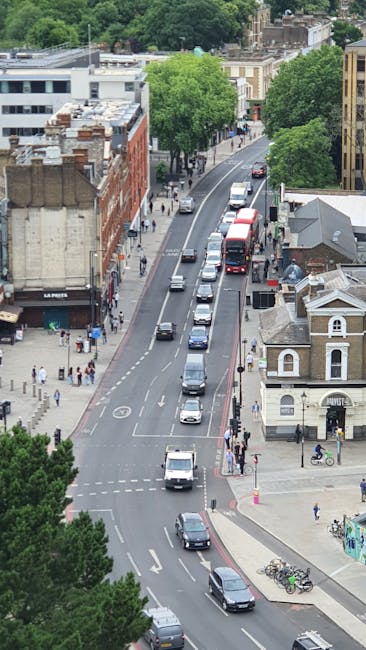
Elephant and Castle is one of those London areas where the map can look simple until you're physically there, standing by a van, trying to work out where to unload without blocking traffic or causing a line of impatient horns behind you. The local road layout, constant movement, and mixed use of the area all shape how removals work in practice.
Routes matter because a van that approaches the area the wrong way can waste time circling, miss a workable stopping point, or end up arriving awkwardly close to peak congestion. Parking matters because removals are rarely about one quick trip. You need time for loading, checking items, and sometimes repeating the shuttle between property and vehicle. That only works when the stop is legal, safe, and close enough to the entrance to be useful.
For flats, offices, and shared buildings, there's another layer: access restrictions. You may need to coordinate with building management, concierge staff, or neighbours. A little planning goes a long way. Truth be told, the more crowded the street, the more valuable a clean parking plan becomes.
And yes, it can feel like a small thing. But a sensible route and the right parking plan can be the difference between a tidy two-hour move and a long, awkward day that seems to drag on forever.
How Elephant and Castle removals: best routes and parking Works
The basic idea is simple: choose an approach that avoids unnecessary delays, then secure a loading or parking arrangement that fits the size of the move and the type of property. In Elephant and Castle, that usually means thinking about access in stages rather than treating it as one arrival point.
Step one is route selection. You want to understand where your property sits relative to major roads, side streets, busier junctions, and any local access limitations. For a removals van, a route that looks slightly longer on a map can be faster in reality if it avoids a slow-moving bottleneck. To be fair, this is one of those places where the shortest route is not always the quickest route.
Step two is stopping strategy. You need to decide whether the van can park outside, whether there is a nearby bay, whether a loading area is realistic, or whether a short walk from a legal parking spot will be necessary. If a parking space is available but too far away, that affects labour time, carrying distance, and the number of trips.
Step three is timing. Early morning arrivals are often easier for removals than mid-morning or lunchtime windows, especially where traffic, deliveries, and pedestrian movement create friction. If you're moving into or out of an apartment block, arrival times may need to be matched with lift booking slots or building rules. Small detail, big impact.
Step four is access coordination. If your move involves stairs, controlled entry, or a narrow hallway, the parking arrangement should support the actual carrying path, not just the postcode. That means thinking about distance from van to door, whether trolleys can roll smoothly, and whether there are obstacles like railings, steps, or uneven paving.
For a useful primer on organising belongings before the day arrives, our guide on how to pack smartly for a hasslefree moving day is a good place to start. It helps reduce loading time, which matters even more when parking is tight.
Key Benefits and Practical Advantages
Getting the route and parking right does more than save a bit of time. It shapes the whole feel of the move.
- Less stress at the kerbside: no frantic searching for a space while your belongings sit on the pavement.
- Safer handling: a shorter carry means less strain, fewer bumps, and a lower chance of damage.
- Better time control: planned access keeps loading and unloading predictable, which is especially useful if you're on a schedule.
- Reduced disruption: you're less likely to block traffic, upset neighbours, or create avoidable conflict with building staff.
- Cleaner overall move: when the van is positioned well, items can be loaded in a more orderly way. That sounds minor. It isn't.
There's also a commercial benefit if you're comparing removal providers. A team that understands local access, loading constraints, and sensible routing often works more efficiently than one that just turns up and hopes for the best. That isn't magic. It's experience.
If you want a broader view of moving support beyond just the transport leg, see the company's services overview and the page for man with a van in Newington, both of which help explain how flexible removals support can be organised around different property types and access needs.
Who This Is For and When It Makes Sense
This topic matters to anyone moving in or around Elephant and Castle, but some people benefit more than others.
- Flat movers: especially if you're in a block with limited access, lifts, or narrow entrances.
- Students: where move dates are fixed, budgets are tight, and parking is the first thing to cause trouble.
- Families: because beds, wardrobes, boxes, toys, and kitchen items all need more space than expected.
- Office movers: where time, access windows, and building rules can be strict.
- Anyone with heavy or awkward items: pianos, beds, sofas, freezers, and large storage units need better vehicle positioning.
It also makes sense if you are doing a same-day move or working to a very fixed handover time. In those cases, parking uncertainty can be the one thing that throws the whole rhythm off. If speed matters, have a look at same-day removals support for a sense of how urgent moves are typically handled.
And if your move involves a flat, where access is often the hidden challenge, the guide to flat removals in Newington gives useful context on the sort of planning that keeps multi-storey moves under control.
Step-by-Step Guidance
Here's a practical way to approach the move without getting swallowed by logistics.
- Check your property access first. Measure doorways, stair turns, lift size, and any awkward corners. Don't guess. Guessing is how a sofa gets stuck in a hallway and everyone suddenly goes quiet.
- Map the likely vehicle route. Consider the access roads that actually allow a removals van to approach safely. Avoid routes that force unnecessary turning, reversing, or complicated manoeuvres near pedestrian-heavy areas.
- Identify parking options in advance. Decide whether you need a loading bay, paid parking, temporary stopping arrangement, or a legal nearby space with a short carry.
- Confirm building rules. Ask about lift bookings, access codes, concierge availability, and any time restrictions for loading or unloading.
- Group items by loading priority. Keep heavy furniture, fragile boxes, and essential first-day items separate so the van can be loaded in the right order.
- Plan the carry route. Think about the path from van to door. Wet weather, steps, rubbish bins, and kerb heights can all complicate an otherwise simple move.
- Build in buffer time. London traffic can be unpredictable. Give yourself breathing room. A bit of slack is better than a panicked scramble.
It sounds methodical because it is. That said, once the first load is out and the van is positioned properly, the rest usually starts to flow. You can feel the difference almost immediately.
For larger furniture, it helps to read practical moving advice for specific items. Our guide on moving your bed and mattress safely is especially useful if your bedroom furniture is bulky or awkward to carry through stairs and communal corridors.
Expert Tips for Better Results
Experienced movers tend to focus on a few things that make the biggest difference in a busy area like Elephant and Castle.
Choose a stop that reduces carrying distance. Even if the spot isn't directly outside the door, a legal parking place a little closer to the entrance can save a surprising amount of labour. In a flat move, every extra metre matters.
Use the quieter side of the move. If your building has a rear access point, service entrance, or less congested side street, it may be better than the obvious front door route. Not always, but often enough to be worth checking.
Keep essential items separate. Documents, chargers, medication, keys, kettle stuff, and a change of clothes should travel with you. If there's a parking delay, those items stay easy to reach. That small bit of planning can save the first night, honestly.
Protect delicate surfaces before loading. Sofas, dining tables, and wooden pieces suffer more from careless stops and starts than from long travel itself. If you're moving upholstered furniture, these sofa storage and protection tips are helpful because the same care applies when wrapping items for removals.
Use the right help for awkward heavy items. A piano, American-style fridge, or oversized wardrobe is not the moment for improvisation. The safer route is often professional handling. There's a reason specialist support exists, and our article on why professional piano moving can save money explains the practical side well.
Declutter before the move. Fewer boxes means fewer trips, less time on-street, and less pressure on parking. If you want the move to feel cleaner from the start, see savvy decluttering tips for moving.
Common Mistakes to Avoid
Most move-day problems in busy London areas are not dramatic disasters. They're small planning gaps that add up. Here are the usual culprits.
- Assuming a van can just stop outside. Street layout, bay restrictions, and traffic conditions often make that unrealistic.
- Forgetting building access times. A loading bay is useless if you can't actually use it during your slot.
- Underestimating carry distance. A "nearby" bay can turn into a long trek with boxes, especially if there are stairs or a busy pavement.
- Packing in a rushed order. If the van has to be loaded awkwardly, parking delays become worse because everything takes longer.
- Not protecting floors or door frames. A rushed carry can leave marks. It happens quickly, and then you're trying to deal with it after the fact.
- Ignoring weather. Rain changes everything. Wet boxes, slippery pavements, and extra caution slow the job down.
One less obvious mistake is failing to think about the end point. People focus so much on leaving the old place that they forget the new property might have worse access. Not ideal. Check both ends.
If your move involves storage because the timing doesn't line up neatly, take a look at storage options in Newington. Storage can take the pressure off an awkward handover or building access delay.
Tools, Resources and Recommendations
You do not need a van full of fancy kit, but a few practical tools make urban removals much smoother.
| Tool or Resource | Why it Helps | Best Use |
|---|---|---|
| Furniture blankets and covers | Protects finishes from scuffs and dirt | Sofas, tables, wardrobes, headboards |
| Ratchet straps | Keeps items stable in transit | Heavy furniture and stacked boxes |
| Moving dollies or sacks trucks | Reduces strain over short distances | Flats, long corridors, heavier boxes |
| Floor and door protection | Prevents marks during loading and unloading | Homes with wooden floors or tight entryways |
| Box labels and inventory notes | Makes unloading quicker and more organised | Any move with multiple rooms or lots of boxes |
On the planning side, useful resources include your building management contact details, local parking information, and the moving company's own service pages. If you are comparing moving support, the pages for removals in Newington and removal services in Newington can help you understand the breadth of support available.
It can also be worth checking professional standards, insurance details, and quote terms before booking. The company's insurance and safety information is a sensible place to review if you want peace of mind around handling and liability.
Law, Compliance, Standards, or Best Practice
For removals in London, the practical side of compliance is usually about parking legality, safe loading, and avoiding obstruction. Exact arrangements vary by street and borough, so it is wise to check local restrictions rather than assume a routine set of rules. Some areas use controlled parking zones, loading restrictions, or timed bays, and these can change the feel of a move more than people expect.
Good practice includes:
- parking only where it is legal and safe to do so
- allowing time for access checks rather than forcing a rushed unload
- keeping paths, entrances, and communal areas clear where possible
- using appropriate lifting techniques and equipment
- respecting building rules, neighbours, and any concierge guidance
If you are moving bulky items, safety matters. The company's health and safety policy is useful reading for understanding the emphasis on careful handling and risk reduction. For broader trust information, you can also review the about us page and the terms and conditions if you want to know how the service is structured.
There's also a sustainability angle. If boxes, packing materials, or unwanted furniture are part of the move, the recycling and sustainability guidance offers a sensible framework for reducing waste where possible.
Options, Methods, or Comparison Table
Choosing the right access approach depends on your property and the amount you're moving. Here's a simple comparison that reflects common real-world choices.
| Method | Pros | Trade-offs | Best For |
|---|---|---|---|
| Direct kerbside stop | Fastest loading, shortest carry | Often unavailable in busy streets | Early arrivals, calmer side streets, small moves |
| Nearby legal parking bay | More reliable and usually safer | Longer carry and slightly slower turnaround | Flats, larger homes, predictable unloading |
| Loading bay or timed access point | Efficient if booked and managed well | May involve time limits or building coordination | Managed buildings, offices, apartment blocks |
| Two-person carry from a distance | Flexible when parking is tight | More physically demanding, slower overall | Smaller moves or where no close stopping is possible |
If you are choosing between handling the move yourself and using help, the real question is not just cost. It is time, risk, and how much friction you can tolerate on the day. Sometimes the "cheap" option is the one that eats the whole afternoon.
For people comparing service levels, the page for man and van in Newington is helpful because it fits smaller or more flexible moves where parking strategy still matters, but the scale is a bit different from a full house relocation.
Case Study or Real-World Example
Picture a typical move from a second-floor flat near Elephant and Castle. The tenant has a bed, a sofa, five medium boxes, a desk, and a couple of fragile kitchen crates. Nothing extreme, but enough to cause trouble if parking is improvised.
The first draft of the plan was simple: turn up mid-morning and find a space nearby. In reality, that would likely have meant circling, waiting, and carrying items from too far away. Instead, the move was organised around an early arrival window, a pre-checked stopping point, and an unloading sequence that put the larger furniture out first.
The result was not dramatic. That's the point. The van stayed close enough to keep carrying manageable, the bed frame was moved without stress, and the hallway remained clear. There was a brief pause while someone fetched a key and opened a second door - little things like that always happen - but because the route and parking were sorted, the pause didn't become a problem.
For items like the bed and mattress, the move was easier because the team had already read up on practical bed and mattress moving tips. That kind of preparation pays off in a busy area. You can almost hear the difference in the day: less banging, fewer interruptions, more steady progress.
Practical Checklist
Use this checklist to keep your move tight and manageable.
- Confirm the exact moving address and access point.
- Check whether there are parking restrictions, loading bays, or permit requirements.
- Ask the building manager about lift access, booking slots, or entry codes.
- Measure larger furniture and compare it with doorways and stair turns.
- Pack boxes by room and label them clearly.
- Keep essentials separate in a carry-on bag or small box.
- Protect fragile items with proper wrapping and cushioning.
- Leave extra time for traffic, delays, and unexpected access issues.
- Arrange help for heavy lifting if you need it.
- Review insurance and service terms before moving day.
If you're still in the planning stage, a little decluttering can make the checklist feel much lighter. It really can. Fewer things, fewer decisions, fewer headaches.
For packing supplies, you may also find the packing and boxes page useful when you need materials that suit a proper move rather than a last-minute scramble.
Conclusion
Elephant and Castle removals are manageable when you treat route planning and parking as part of the move, not as an afterthought. In a busy London setting, the vehicle access plan often determines how smooth the rest of the day feels. Get the stop right, choose the route carefully, and the move starts to behave itself.
That does not mean every problem disappears. London moves still involve timing, weather, building rules, and the occasional awkward staircase. But with good preparation, those issues become manageable instead of messy. And that's really what most people want: a move that feels controlled, not chaotic.
If you want a more relaxed relocation, the sensible next step is to compare your access situation, make a parking plan, and choose support that matches the size and pace of your move. Calm planning beats last-minute heroics every time.
Get a free quote today and see how much you can save.
Sometimes the best move is the one that lets you breathe a little easier by tea time.
Frequently Asked Questions
What is the best route for removals in Elephant and Castle?
The best route depends on your exact address, vehicle size, and time of day. In practice, the safest choice is usually the one that avoids unnecessary congestion, awkward turns, and streets that make stopping difficult for a removals van.
Can a removals van park directly outside my property?
Sometimes, but you should never assume it. In a busy area like Elephant and Castle, direct kerbside parking may not be available. It is better to have a backup plan involving a legal bay or a nearby loading point.
Do I need permission for loading or unloading near my flat?
You may need permission from your building management, concierge, or landlord, especially if you need lift access, a loading bay, or controlled entry. Always check the property rules before move day.
How early should I plan parking for a move in Elephant and Castle?
As early as possible. Even if you do not need formal parking arrangements, you should think through the location, the route, and the likely stopping point several days before moving day.
Is a man and van service suitable for Elephant and Castle removals?
Yes, especially for smaller or medium-sized moves. A man and van service can be a good fit where access is tight, parking is limited, or you need a flexible, practical approach.
What if there is no parking space available near my building?
Then you need to choose the best legal alternative, even if that means a slightly longer carry. Good packing, proper equipment, and a clear loading route become even more important in that situation.
How can I make moving heavy furniture easier in a tight area?
Use the right handling equipment, protect the furniture properly, and reduce the carry distance as much as possible. For large or awkward items, specialist help is usually the safer option.
Are there any special considerations for student moves in Elephant and Castle?
Yes. Student moves often involve shared buildings, fixed handover times, and lots of boxes but not much space. Parking and access planning can save a lot of stress, especially at busy turnover periods.
Should I choose the closest route or the quickest route?
Usually the quickest route, not the shortest. A route with less traffic or fewer awkward junctions often works better for removals, even if it adds a small amount of distance.
How can I prepare for bad weather on moving day?
Use waterproof covers, keep boxes sealed, protect floors, and allow more time for carrying. Rain changes the feel of the day quite a bit, especially if the parking spot is not right outside the door.
What should I do if my moving timeslot changes at the last minute?
Contact the removals team, update building access arrangements, and revisit the parking plan. Small changes can affect traffic, lift booking, and unloading order, so it helps to stay flexible.
How do I know if I need storage as part of my move?
If your move dates do not line up neatly, or if access is delayed at either property, storage can bridge the gap. It is also useful if you are decluttering before settling into the new place.